How Termites Threaten Commercial Buildings and Structures
Commercial termite control services help protect buildings and structures by eliminating termites that threaten their integrity and preventing costly damage.
Understanding how termites threaten commercial buildings and structures is essential for property owners seeking to protect their investments. These silent pests can cause significant damage over time, compromising the integrity of wood-based components and leading to costly repairs if left unchecked. Business owners and property managers in the area often explore this topic to stay informed about potential risks and to learn how to safeguard their buildings effectively. Local contractors specializing in commercial termite control are well-equipped to assess vulnerabilities, implement targeted treatment strategies, and help prevent infestations before they cause extensive harm.
Staying aware of termite threats is a practical step for anyone responsible for maintaining commercial properties. Early detection and professional treatment are key to minimizing damage and ensuring the longevity of the structure. Many local service providers offer comprehensive solutions tailored to the needs of commercial buildings, helping property owners develop effective pest management plans. Keeping informed about how termites threaten these structures can empower property owners to take proactive measures and connect with trusted experts who can provide the necessary protection.
- Termite Inspection and Treatment - when signs of termite activity are detected or during regular building maintenance, local contractors evaluate the extent of infestation and apply targeted treatments.
- Preventive Termite Barriers - for new construction or property expansions, service providers install barriers to protect structures from future termite intrusion.
- Structural Damage Repair - after an infestation has compromised building integrity, local pros assess and restore affected areas to maintain safety and stability.
- Soil and Foundation Treatment - when termites threaten the foundation or surrounding soil, experts implement treatment plans to eliminate colonies and prevent further damage.
- Ongoing Termite Monitoring - to safeguard commercial buildings over time, service providers set up monitoring systems to detect early signs of termite activity and address issues promptly.
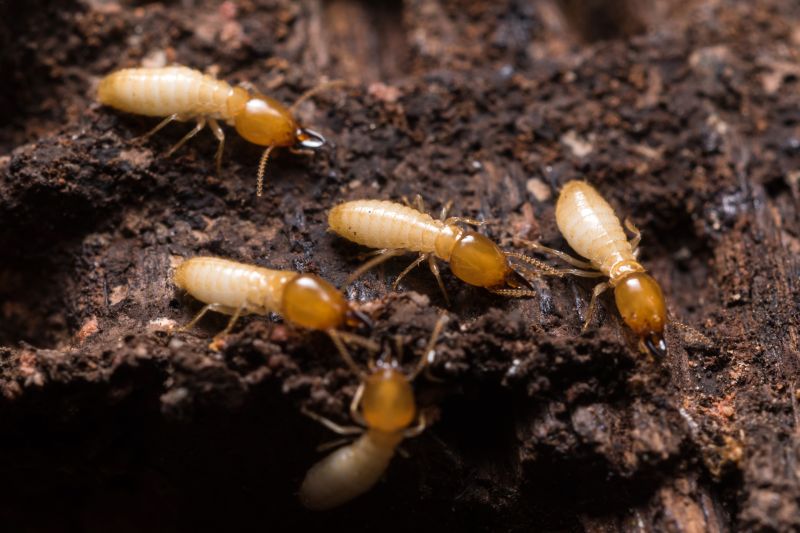
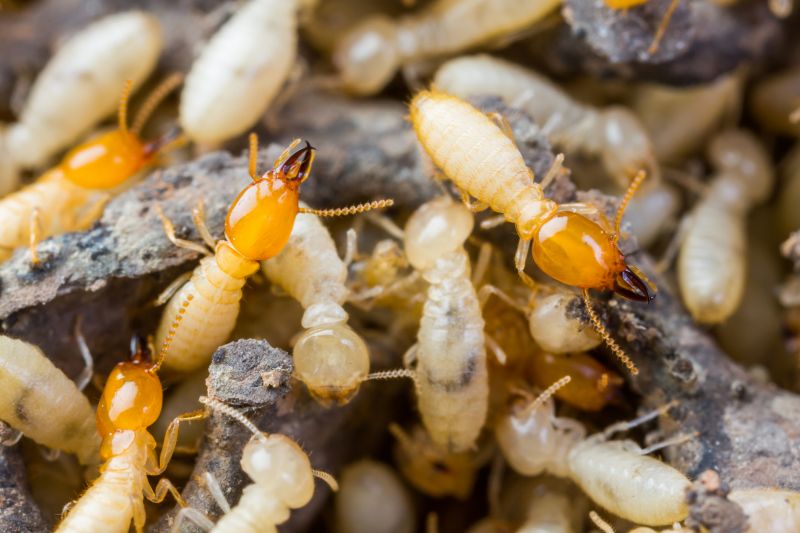
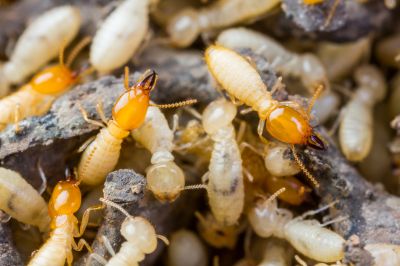
Understanding how termites threaten commercial buildings and structures is essential for property owners and managers aiming to protect their investments. When searching this topic, many are concerned about the potential for these pests to cause significant damage that can compromise the safety, stability, and value of their properties. Termites are often associated with residential properties, but they can pose a serious risk to a wide range of commercial facilities as well. Recognizing the signs of termite activity and knowing the types of damage they can cause helps in planning effective prevention and treatment strategies. Local service providers specializing in commercial termite control are equipped to assess vulnerabilities, identify infestations early, and implement targeted solutions to prevent costly repairs.
The problems linked to termites in commercial settings extend beyond simple pest presence. These insects can undermine structural integrity by feeding on wood, drywall, and other cellulose-based materials. For businesses, this can mean compromised support beams, weakened flooring, or damaged walls-issues that threaten the safety of employees, customers, and visitors. Additionally, termite damage often results in costly repairs and disruptions to daily operations. Many property owners develop plans for ongoing pest management or preventative treatments to safeguard their buildings. Connecting with local contractors experienced in commercial termite control provides a practical way to address existing issues and establish a proactive approach that minimizes future risks.
Various types of properties are commonly affected by termites, including office buildings, warehouses, retail centers, and industrial facilities. These structures often feature large wooden components, extensive framing, or moisture-prone areas that attract termites. Commercial properties with landscaped surroundings, wood-based fixtures, or ongoing construction projects are particularly vulnerable. Identifying which properties are at risk helps owners prioritize inspections and treatment efforts. Local service providers understand the unique challenges posed by different property types and can tailor solutions accordingly. This targeted approach ensures that commercial buildings receive the appropriate treatment to protect their structural integrity and longevity.
For those exploring how termites threaten commercial buildings and structures, understanding the importance of professional intervention is key. Local pros specializing in commercial termite control are experienced in evaluating property vulnerabilities, detecting early signs of infestation, and applying effective treatment methods. They can help property owners develop comprehensive pest management plans that fit the specific needs of their buildings, whether through preventative measures or remedial treatments. Engaging with these experts ensures that commercial properties are protected from the potentially devastating consequences of termite damage, supporting long-term stability and value.
Commercial pest inspection projects - these projects involve identifying pest activity, including termites, in large commercial properties, requiring similar planning and detailed assessment skills as termite control services.
Building inspection and assessment - professionals evaluate structural integrity and pest damage, which shares skills in identifying termite-related issues in commercial buildings.
Structural repair and damage restoration - restoring buildings affected by pest damage involves understanding structural vulnerabilities similar to those addressed in termite prevention and treatment.
Wood treatment and preservation projects - these projects focus on protecting wooden structures from pests, aligning with the techniques used in termite control for commercial properties.
Moisture management and waterproofing - controlling moisture levels is crucial in termite prevention, making these projects relevant for proactive building protection strategies.
Building exterior and foundation work - projects that involve treating or repairing foundations and exterior structures are related to termite prevention efforts in commercial settings.
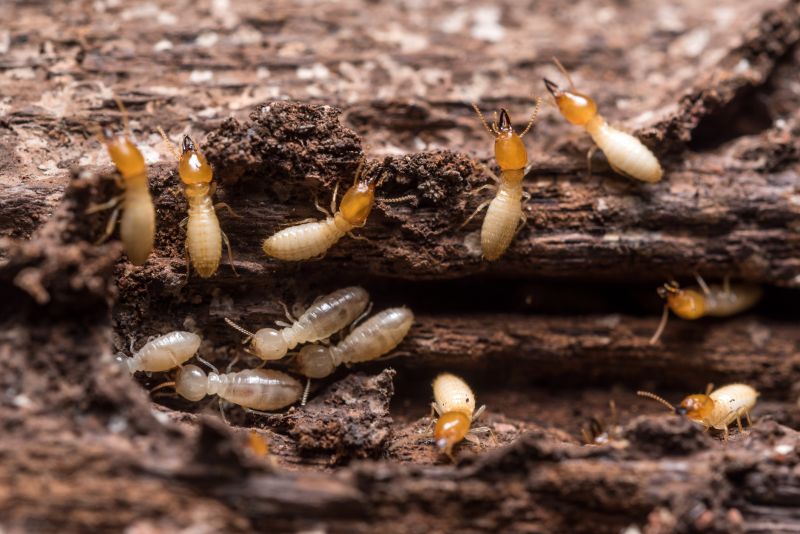
When evaluating service providers for commercial termite control, it is important to consider their experience with similar projects. Contractors who have a proven track record in handling termite threats in commercial buildings and structures are more likely to understand the unique challenges involved. This experience can translate into more effective treatment strategies and a better assessment of the specific risks that termites pose to the property’s design and materials. Asking for details about past work in similar settings can help ensure that the selected professionals have the relevant expertise to address the scope of the project confidently.
Clear written expectations are essential when comparing local contractors for termite control services. A detailed scope of work, including the methods to be used, the areas to be treated, and any follow-up procedures, helps establish mutual understanding from the outset. Well-defined expectations can prevent misunderstandings and ensure that both parties are aligned on the goals of the treatment. It is advisable to review and compare these written plans carefully, ensuring they cover the necessary aspects of termite prevention and treatment tailored to the specific commercial property.
Reputable references and effective communication are key indicators of a dependable service provider. Contractors who can provide references from previous commercial clients demonstrate their ability to deliver satisfactory results. Good communication, including prompt responses to questions and clear explanations of treatment options, helps establish trust and confidence in the contractor’s approach. When comparing local pros, seeking out those with positive references and transparent communication practices can contribute to a smoother process and a more successful termite management plan for the property.
Property owners often search for how termites threaten commercial buildings and structures when they are planning practical projects around their homes and businesses. Local pros provide Commercial Termite Control services for everyday jobs and straightforward project options.
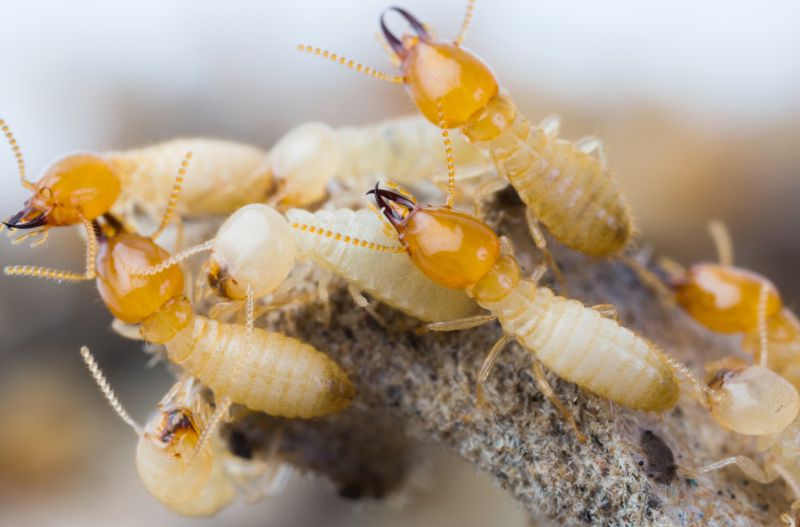

Termites can pose a serious threat to commercial buildings and structures by silently causing extensive damage before any signs become visible. In everyday project situations, property owners might notice weakened wood, sagging floors, or hollow-sounding walls, which could indicate termite activity. Recognizing these signs early is crucial, as untreated infestations can compromise the integrity of structural components, leading to costly repairs or even safety concerns. Local contractors specializing in commercial termite control are equipped to assess the extent of the problem and implement effective treatment plans to protect the property’s value and stability.
Many property owners in the area look up this topic to understand how to prevent termite damage or to find reliable service providers capable of handling infestations. Commercial termite control services offered by local experts typically include thorough inspections, targeted treatments, and ongoing monitoring to ensure termites are eliminated and do not return. Engaging with experienced local service providers can help businesses safeguard their investments, maintain building safety, and avoid the disruptive consequences of extensive termite damage.
How do termites threaten commercial buildings and structures? Termites can cause significant damage by consuming wood, drywall, and other cellulose-based materials, leading to structural weaknesses and costly repairs in commercial properties.
What are the signs of termite activity in commercial buildings? Indicators include mud tubes on walls or foundations, discarded wings near entry points, hollow-sounding wood, and visible damage to wooden fixtures or structural elements.
Why is professional termite control important for commercial properties? Professionals have the expertise and tools to accurately identify termite infestations, assess the extent of damage, and implement effective treatment plans to protect the building’s integrity.
How can local service providers help prevent termite damage? Local contractors can conduct thorough inspections, apply preventative barriers, and treat existing infestations to minimize the risk of structural harm caused by termites.
What types of treatments do commercial termite control services offer? Service providers typically offer baiting systems, liquid soil treatments, and targeted spot treatments designed to eliminate termites and prevent future infestations.
Identify vulnerable areas - property owners can work with local contractors to inspect and pinpoint parts of the building most at risk for termite infestation.
Implement preventative treatments - applying barrier or bait systems can help reduce the likelihood of termites establishing colonies in commercial structures.
Schedule regular inspections - routine evaluations by local pros can catch early signs of termite activity before significant damage occurs.
Address moisture issues - resolving leaks and controlling humidity can make the environment less attractive to termites, with guidance from local service providers.
If you are thinking about how termites threaten commercial buildings and structures for a property, this guide is meant to help you understand this topic, the typical project types, and how different options might fit your plans.
When you are ready, you can use the quote form on this page to share a few details about your project. From there, local pros can review the basics and follow up with options that match what you have in mind.